Subscribe, Connect, Learn, Grow:Our Monthly Newsletter Delivers Care Industry Innovation, Critical News, and Insights
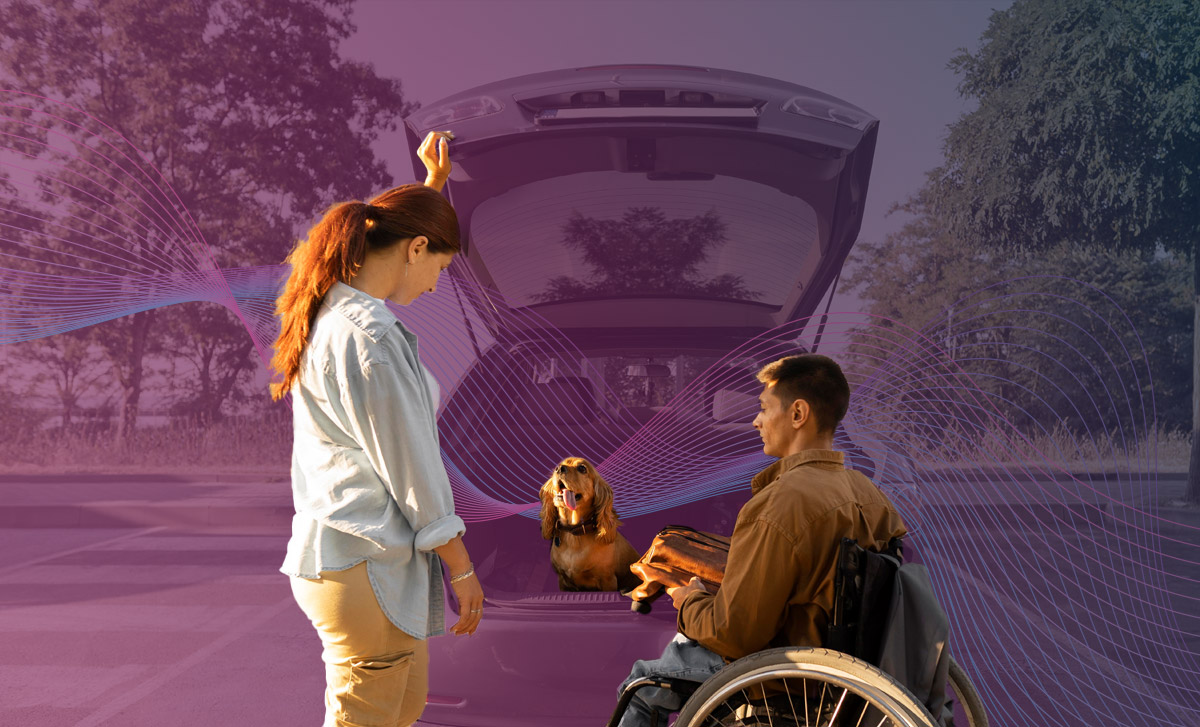
Managing a fleet can quickly become complex for NDIS providers, particularly when you’re coordinating transport for support workers and participants. Keeping on top of schedules, vehicle allocation, route planning, and maintenance is difficult enough—doing it manually makes it even harder. That’s why having a clear fleet management process (supported by the right tools) is essential.
CareMaster helps make vehicle management simpler for NDIS service providers by improving administration, supporting productivity, and contributing to a better participant experience. This guide outlines practical steps to manage your fleet using NDIS-integrated software.
1) Review Your Fleet and Transport Requirements
Start with a thorough audit of your current transport operations. This helps you understand what you have, how it’s being used, and where the gaps are. Key actions include:
This review can reveal under-used vehicles, duplicated routes, and overdue servicing that could cause avoidable downtime. Once your baseline is clear, fleet management becomes easier to structure—and software can help you track and organise everything more reliably.
2) Set Up Your Travel or Fleet Module
Once you’ve completed the audit, configure your travel or fleet module in your NDIS software. At this stage, you can:
It’s also important to manage compliance tasks within the same workflow. Set reminders for inspections, and track registration and insurance expiry dates to help ensure vehicles remain road-ready. Using a platform that combines CRM and operational management features can streamline dispatching, improve visibility, and keep compliance details organised in one place.
3) Train Staff and Support Workers to Use the System Properly
Most modern NDIS platforms work across desktops, phones, and tablets. That means teams can make updates in real time, even when they’re out in the community—keeping everyone aligned when changes occur.
However, the value of any software depends on consistent use. Make sure staff and support workers understand the key features they’ll rely on, including how to update vehicle logs, confirm trips, and record relevant notes. When people use the system correctly, information stays current without constant follow-ups or micromanagement.
4) Track Results and Adjust Based on Performance
According to the Australian Institute of Health and Welfare, only 63% of people with disability can use public transport without difficulty. That leaves many participants relying on providers to support safe and reliable travel, making fleet performance a critical operational priority.
To measure success, track practical KPIs such as:
Fleet management tools often provide built-in tracking for these metrics. You can also gather feedback from drivers and participants to identify friction points and make improvements over time.
Strong fleet management supports smoother operations and more dependable transport coordination. By applying the steps above, you can improve compliance, increase visibility across vehicles and schedules, and reduce administrative strain. With NDIS-integrated software, putting these processes in place becomes much more straightforward.
CareMaster is a comprehensive software ecosystem designed for registered NDIS and aged care providers. It includes simplified vehicle management tools to help keep your fleet compliant, well maintained, and easy to oversee through a user-friendly interface. For more information, book a demo with us.
What is a fleet management system?
A fleet management system is software that helps organisations monitor, coordinate, and optimise their vehicles. It supports efficient operations, improves compliance and safety, and reduces administrative workload and running costs.
What is the biggest challenge in fleet management?
A common challenge is balancing compliance requirements with cost control. Automation and proactive monitoring—using the right system—can reduce missed deadlines, prevent downtime, and improve cost efficiency.
What skills do you need to be a fleet manager?
A fleet manager typically needs strong organisation, attention to detail, and sound decision-making. Comfort with fleet and operations software is also important to keep transport services efficient, compliant, and participant-focused.


CareMaster would like to acknowledge the Traditional Custodians of the land on which we operate, and pay our respects to their Elders past and present.